1. Vanity Fair’s article “Rethinking the American Dream” argues that you should not devote all of your time trying to achieve the American Dream for that can result into you losing sight of the more important things that are at your presence. I believe that this is true, as JFK said in The Declaration of Independence, “...with certain unalienable Rights, that among these are Life, Liberty, and the pursuit of Happiness.” You can't build your life upon the obsession of achieving the American Dream, like it said in the Vanity Fair’s article “it should not require 80-hour workweeks and parents who never see their kids from across the dinner table.” This is just one example out of the many things that you may miss out on. It is good to have future goals and to want to prosper, but it is also unhealthy to lose track of what you should be doing at that moment. I think that you should have a balance on what you want to do for the future and what you have to do right now. Your American Dream is always growing, so you should always focus on the realities you face daily.

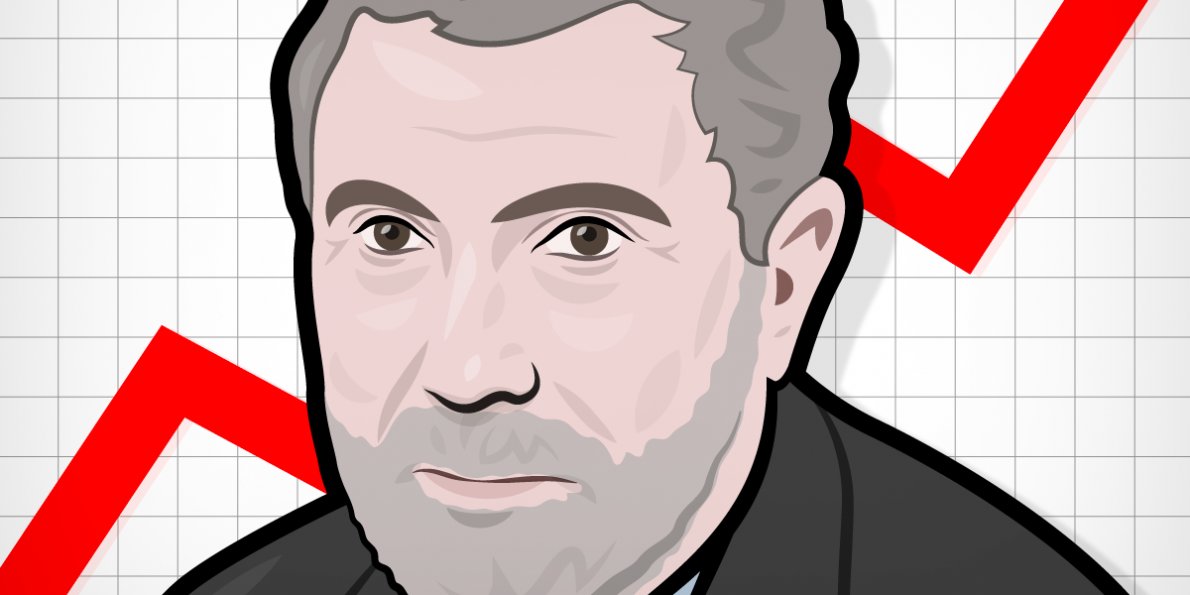
2. Based on the five editorials that I have read by Paul Krugman, I have noticed that he tends to use pathos and rhetorical questions frequently in his writing. Krugman touches a lot of racial topics— which is generally already a delicate subject anyway, so what he does to further grasp his audience’s emotions is reeling them in with his powerful vocabulary to discuss his general ideas. The words he uses is usually to describe negative impacts such as “harsh” and “suffering” which were used in “Slavery’s Long Shadow” that conversed about social ranks. Krugman also asks many questions which are sometimes structured to be responded differently. At times when Krugman asks a question, it could be answered evidently, but other times may be explained by him. Krugman uses rhetorical questions to emphasize his particular argument. If something wrongful is happening, he questions its purpose so the audience can see his point of view. He puts things in debate so you can see two sides of an argument, except making his look better, and more reliable.
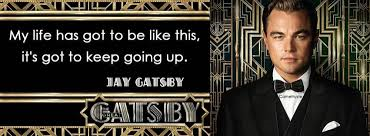
3. In “The Great Gatsby” by F. Scott Fitzgerald the American Dream was portrayed to be unrealistic due to people never being satisfied with their accomplishments. A prime example would be Jay Gatsby who not only was insanely wealthy, but also contained many virtuous characteristics. Through hard work came prosperity, but the meaning of it lessened since Daisy was not his companion. Fitzgerald believes that the American Dream is more of a state of mind, a vision for yourself that will never stop growing because of the idea of wanting more. In JFK and MLK’s speech the American Dream was being pulled down by the lack of rights they were receiving during each of their point in time. Both speakers portray the American Dream as something that can only be reached if you have your basic entitlements. That is what will increase your chances to prosper and succeed. In the “Declaration of Independence” Jefferson says that “...with certain unalienable Rights, that among these are Life, Liberty, and the pursuit of Happiness.” According to Jefferson, these are the three major factors that lead you to the path of the American Dream and to a better life. He thinks that taking action and going for what you want will get you somewhere. In “I Have a Dream” by MLK, he says that “I have a dream that one day this nation will rise up and live out the true meaning of its creed: ‘We hold these truths to be self evident; that all men and women are created equal.” This connects back to Jefferson’s speech except that King also focuses on racial equality. So for King, the American Dream will be reached when your skin complexion does not determine your future and your abilities, it's when everyone gets the equal opportunity to strive and pick yourself up. JFK and MLK believe that the American Dream can be accomplished with consistency and determination, whereas Fitzgerald believes that your accomplishments are never ending, so you may never be satisfied with what you have.
4. What I will strive to do in my next formal paper is to analyze the text better and organize my writing. I want to make sure my essay flows naturally and that I use stronger, sophisticated vocabulary.
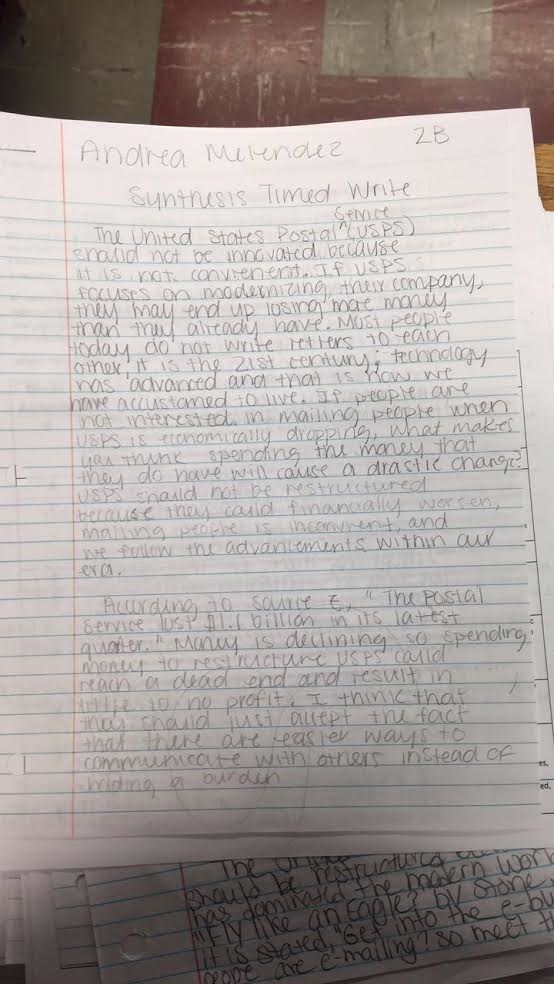
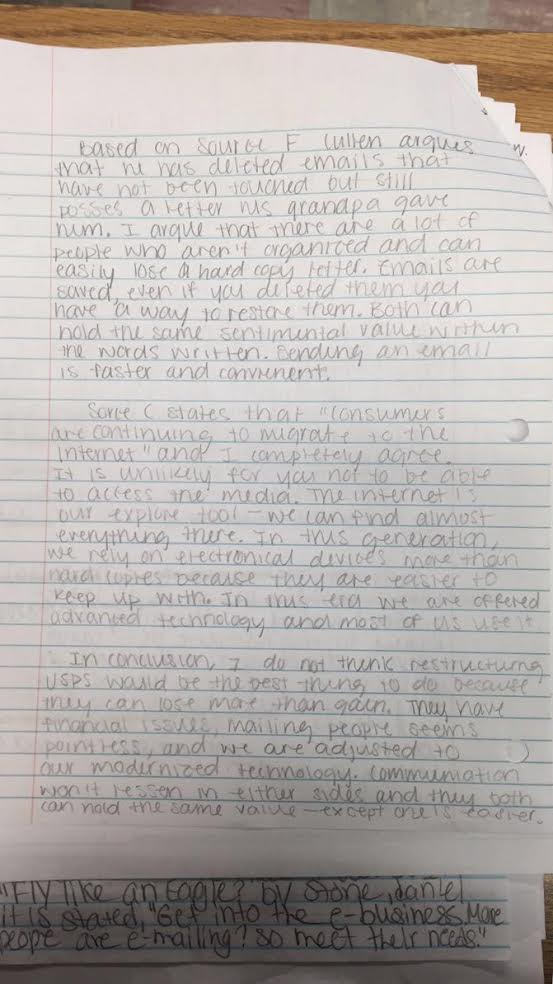
5. The USPS Synthesis essay was my favorite 40 minute time write because it was based on your personal opinion so there really wasn't a right or wrong answer. I liked how I got to make counter arguments and how I got to put my own ideas in my essay. I feel like I prefer synthesis essays over argumentative essays because they don't have to be formatted so strictly.
6. Quarter 1 consisted of many new lessons. I learned more about ethos, pathos and logos. I learned about the rhetorical triangle, SOAPstones, précis papers, rhetorical parallelism, argumentative essays, how to structure an essay, etc. The most meaningful assignment to me was reading the “Declaration of Independence” by Thomas Jefferson and the “Declaration of Sentiments and Resolutions” by Elizabeth Stanton. I liked how we had discussions about rights and how we touched personal issues. I didn't just only gain how to read the speeches, because they were structured differently and distinguishing from the “truths” and “rights” were a bit more complicated than it had to be, but I also got to see the progression the United States has made throughout all these years. What I wish we had skipped was the syndicated columnist. It was hard to find a column I actually wanted to read because they were all related to the election. I'd prefer we didn't have to read one every week or that we could read blogs that are more captivating. What I am dreading about Quarter 2 is the formal paper we will be receiving at the end of the quarter, but I am looking forward to learning about synthesis essays. My Quarter 2 learning goals are to be able to write a strong synthesis essay and just improving how to write an essay in general.

Q2 Requirements
1.
In “Their Eyes Were Watching God” by Zora Neale Hurston, symbols were used to enhance the theme of gender. For starters, Janie’s hair type was emphasized throughout the novel and represented her youth/empowerment. Janie was forced to walk to the direction of adulthood, leaving behind her adolescence. All her failed relationships allowed her to grow and learn more things about herself just like her hair. Her hair isolated herself from others, it showed her strength as a woman.
Joe Starks symbolized cliché gender roles. Janie was hidden under his shadow and arrogant masculinity. He constantly belittled Janie with the excuse that women were destined to only do housework and to fulfill his needs with no questions asked. He silenced her voice, shrunk her position in society, while also lowering her self esteem. Joe’s character displays how back in the day women were degraded to generally showing how agonizing it was.
The mule in the novel symbolizes Janie’s struggle towards independence. Comparing women to mules shows how little we were looked in society. Joe put Janie through a lot and made her work without being conscious of her own feelings—such as a mule would. When the people from the town were terrorizing the mule, the mule symbolized victimization. Janie herself was a victim. Her life consisted on finding something or someone that made her feel like she belonged. The mule represents her innocence.

2.
My Quarter 2 columnist Gina Kolata tends to use logos frequently in her editorials in order to strengthen her credibility. Kolata informs readers on topics that are related to medical issues. Since Kolata studied science, she does have a medical background, but factual evidence is what really confirms her research and central message. She usually uses statistics to compare it to results from recent years and shows the progress or setback.
Kolata uses logos in two typical ways. She either includes the year of a specific research or she quotes the research of highly educated credible people. For an example on the column “More White People Die From Suicide and Substance Abuse: Why?” Kolata uses results from two Princeton professors Angus Deaton and Anne Case who reported dated studies from as far back as 1979 to recent time on death rates and how they have changed. Why does she do this? Well, it strengthens her central message by supporting her claims with factual data, while also confirming her ideas in the process. Without logos, Kolata would have not gained enough credibility to discuss medical related topics.
Kolata also uses ethos. Although she already has extrinsic ethos due to her knowledge of biology and the science field in general, she again would usually use ethos when she wants to cite her research from educated people. The people she chooses to gather her information from are always college graduates and people with experience. This enhances her overall meaning because getting second hand sources proves that the ideas that she chooses to explore have already been thought of and proceeded so it's easier for her to prove it. Her credibility builds as she uses other people to strengthen it.
3.

4.

5.
In Quarter 2 I explored many different topics. For starters, I learned how to generate the PGCPS citation engine and was taught how to properly credit a piece of literature when writing a synthesis essay. I never really knew citation engines existed but now I know the basic steps into creating a structured MLA format to adequately set up my synthesis essay. Properly formatted citations isn't the only thing I learned how to set up, it was just one out of the many other things I needed to include to have a successful essay. For instance, when writing a synthesis essay it is important to have counterarguments and rebuttals. Although I was already familiar with the concept, I never actually used them in an essay before. So actually writing that specific type of essay was something new to me.
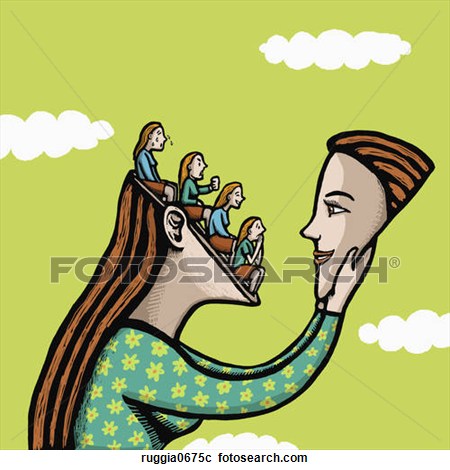
We also discussed a lot about identity. Although the topic may seem vague, it is very controversial. There are many things that is associated with your identity. The two distinct ones that we talked about in class were your environmental attributions vs your biological attributions. I learned how to interpret the concept of identification by reading different texts such as On Being Black and Middle Class by Shelby Steele or On Being a Cripple by Nancy Mairs. It was interesting to hear what other people thought during our socratic seminars and it was overall an engaging learning experience.
PROMPT
What I learned in Quarter 2 was how to structure my synthesis essay with MLA formatting, counterarguments, and rebuttals. The most meaningful unit or assignment we did was our socratic seminar on the essay On Being Black and Middle Class. What I gained the most from was the socratic seminars because I got to hear many different viewpoint to strengthen my own on the subject of identity. I wish we had skipped the Quick Timed Writes, I think they're unnecessary and tedious. I am looking forward to discussing ethics and how that looks like in writing in Quarter 3. My learning goals is to write an effective Quarter 3 essay.
